
Allergy & Anaphylaxis Emergency Response
AAER | Training, Preparedness & Practical Support
Programme Introduction
Allergy & Anaphylaxis Emergency Response (AAER) is a 12-month support and implementation programme designed to help schools, nurseries and education settings strengthen their approach to allergy and anaphylaxis preparedness.
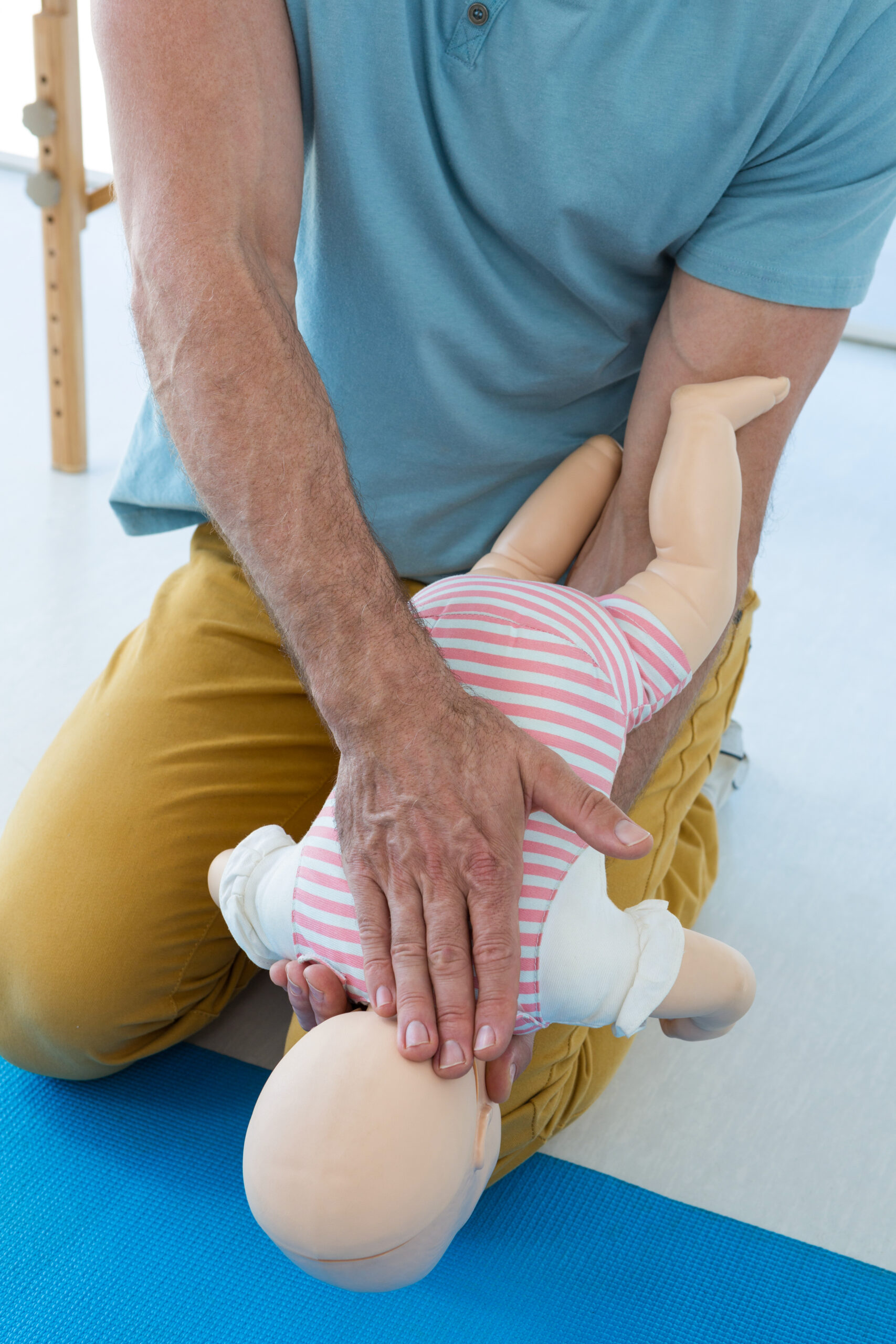
At its heart is a practical suite of resources supporting the systems, procedures and ongoing checks that help settings manage allergy risk effectively. As part of the programme, staff also benefit from face-to-face training and practical emergency-response delivery, helping turn written procedures into confident action when it matters.
Programme Overview
AAER brings together 12 months of practical implementation support, setting resources and staff development within one structured programme. The support suite helps settings review and strengthen areas including allergy policies, Individual Healthcare Plans, medication arrangements, staff training records, routine checks and emergency preparedness.
The programme also includes face-to-face staff training covering the recognition of allergic reactions and anaphylaxis, emergency actions and practical use of adrenaline auto-injectors (AAIs). This means AAER supports both the systems behind effective allergy management and the people who may need to respond in an emergency.
Programme Aim
The aim of AAER is to help education and childcare settings build and maintain a structured approach to allergy and anaphylaxis preparedness over a 12-month period, supported by practical resources, implementation tools and face-to-face staff training.
The programme is designed to strengthen both organisational preparedness and individual staff confidence, helping settings move beyond one-off training towards an approach that can be embedded, reviewed and maintained.
Learning Outcomes
Participants will learn how to:
-
- Understand common food allergies and the potential seriousness of allergic reactions
- Recognise the signs and symptoms of mild, moderate and severe allergic reactions
- Recognise anaphylaxis and understand why immediate action is essential
- Follow a child’s Individual Healthcare Plan and emergency instructions
- Administer an adrenaline auto-injector (AAI) correctly
- Understand the importance of positioning, calling 999 and ongoing monitoring
- Respond if symptoms persist or return
- Understand the role of spare AAIs and emergency medication arrangements
- Reduce avoidable risks through effective allergy awareness and preparedness
- Support a consistent whole-setting response to allergy emergencies
Who Should Attend?
AAER is designed for schools, nurseries, Early Years settings and other education or childcare environments responsible for children and young people with allergies.
It is suitable for teaching staff, support staff, pastoral teams, lunchtime staff, administrators, leaders and others who may need to recognise or respond to an allergic reaction.
Programme & Training
AAER begins with a 12-month support and implementation suite for the participating setting. This is complemented by approximately 2 hours of face-to-face staff training and practical emergency-response delivery.
Participants who successfully complete the face-to-face training receive an AAER certificate recognised by the First Aid Industry Body (FAIB), valid for 3 years. Annual refresher training is recommended to help maintain staff knowledge, practical competence and confidence.
Certification
Participants who successfully complete the Allergy & Anaphylaxis Emergency Response (AAER) programme receive certification recognised by the First Aid Industry Body (FAIB), valid for 3 years.
AAER is underpinned by Department for Education (DfE) guidance for allergy management and emergency response within education settings. To support continued competence, confidence and current practice, a 12-month refresher is recommended.
Participating settings also receive access to the AAER supporting resource suite for the agreed licence period, helping them embed effective allergy and anaphylaxis preparedness beyond the training session.

Availability
AAER can be delivered directly to schools, nurseries, Early Years settings and other education or childcare environments. Delivery is arranged with the individual setting so that the training and supporting resources can reflect its circumstances and existing allergy arrangements.
Please contact P3 First Aid Training to discuss staff numbers, delivery arrangements and your setting’s requirements.
Frequently asked questions
What is Allergy & Anaphylaxis Emergency Response (AAER)?
AAER is a 12-month allergy and anaphylaxis support and implementation programme for education and childcare settings. It combines practical resources, implementation tools and ongoing preparedness support with face-to-face staff training and practical emergency-response delivery.
What does the 12-month AAER support suite include?
The suite provides practical resources to help settings review, develop and maintain their allergy arrangements, including support around policies and procedures, allergy records, Individual Healthcare Plans, medication and spare AAI arrangements, staff training oversight, routine checks and ongoing preparedness.
Is face-to-face staff training included?
Yes. Face-to-face training and practical emergency-response delivery are included as part of AAER. Staff learn to recognise allergic reactions and anaphylaxis, take appropriate emergency action and develop confidence using adrenaline auto-injectors.
Who is AAER designed for?
AAER is designed for schools, nurseries, Early Years settings and other education and childcare environments that want to strengthen both their organisational preparedness and staff confidence around allergy and anaphylaxis.
Is AAER recognised by FAIB?
Yes. AAER certification is recognised by the First Aid Industry Body (FAIB) and is valid for 3 years.
How often should the training be refreshed?
AAER certification is valid for 3 years, with a 12-month refresher recommended to help staff maintain current knowledge, practical competence and confidence.
Is AAER underpinned by Department for Education guidance?
Yes. AAER is strictly underpinned by relevant Department for Education guidance relating to allergy management and emergency response within education settings.
Will staff practise using adrenaline auto-injectors?
Yes. Practical familiarisation with adrenaline auto-injectors forms an important part of the face-to-face training, helping staff develop confidence in responding appropriately to an anaphylaxis emergency.
Can AAER be delivered at our school or setting?
Yes. AAER can be implemented with schools, nurseries, Early Years settings and other suitable education and childcare environments. Contact P3 First Aid Training to discuss your setting, staff numbers and requirements.